Tehran hosts autumn school on leadership in global health diplomacy
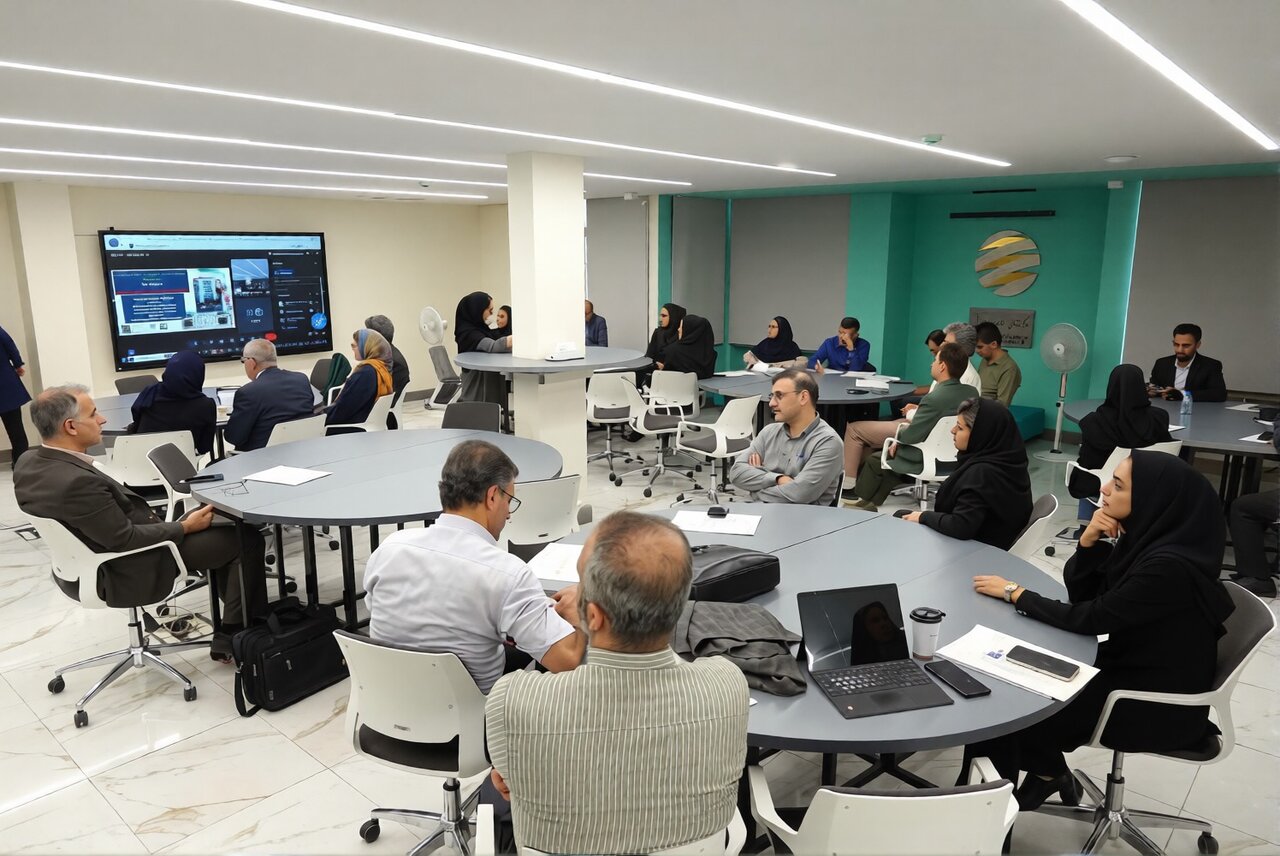
TEHRAN – With support from the World Health Organization (WHO), Tehran University of Medical Sciences (TUMS) and its Centre of Excellence for Global Health held a three-day Autumn School on Empowering Managers in Global Health Diplomacy.
The program aimed to deepen participants’ understanding of the relationship between health, foreign policy, and international cooperation, while strengthening the leadership and negotiation skills needed to address today’s complex global health challenges.
The program, held on October 21 and 28 and November 4, was hosted in the TUMS-affiliated World Health Observatory Building in Tehran, the WHO website announced in a press release on November 22.
The Autumn School was inaugurated on 21 October 2026, with the virtual participation of Dr Amirhossein Takian, President of the Centre of Excellence for Global Health, alongside Dr Jean Jabbour, WHO Representative in the Islamic Republic of Iran, Dr Christine Wegner, United Nations Resident Coordinator, Dr Mohammad Reza Dehshiri, Dean of the School of International Relations affiliated with the Ministry of Foreign Affairs, and Dr Javad Rafinejad, Dean of the School of Public Health at TUMS.
Dr Mohammad Amirkhani, representing the Head of the Department of International Relations at the Ministry of Health and Medical Education (MOHME), and Dr Marjan Yaghmaei, representing the Vice-Chancellor for International Relations at TUMS, delivered opening remarks, formally inaugurating the Autumn School.
In his remarks, Dr Jabbour emphasized that supporting Member States in global health diplomacy goes beyond sharing technical knowledge. It involves strengthening their capacities to engage effectively in regional and global processes and to communicate evidence, build partnerships and contribute to collective solutions.
He highlighted the crucial role of global health diplomacy as a bridge between health, foreign policy, security and sustainable development in a rapidly evolving environment shaped by pandemics, climate change and humanitarian crises, and stressed how investing in capacity-building and international cooperation can facilitate the translation of scientific evidence into impactful policies.
WHO-supported panel on global health diplomacy
On October 28, WHO supported the panel discussion “Global health diplomacy for pandemic preparedness and noncommunicable diseases,” which focused on the role of global health diplomacy in addressing cross-border health challenges and strengthening preparedness and response.
As panel moderator, Dr Afshin Ostovar, Team Lead for Noncommunicable Diseases and Mental Health, introduced the role-play format, coordinated parallel group exercises and plenary reporting, facilitated the overall discussion and guided the closing reflections.
Dr Mashyaneh Haddadi, Health Policy Advisor, provided technical and organizational support throughout the session, assisting with the coordination of group activities and with the plenary session. She also contributed a health-policy perspective to the discussions.
Keynote address on the evolving global health order
On November 4, Dr Haddadi delivered a keynote address on “The new health order and the role of WHO in global health diplomacy”. The address explored the evolving global health landscape, the changing dynamics of international health cooperation, and WHO’s role in advancing global health diplomacy, strengthening multilateral collaboration and addressing emerging health challenges.
Health ministry, WHO planning ‘health diplomacy’ event
The health ministry and the WHO are jointly planning a health diplomacy event, titled ‘a bridge for development, peace and healthier communities’, the WHO representative in Iran has said.
By leveraging the potential of diplomacy, the initiative could serve as a bridge toward development, peace, and the advancement of health within societies, IRNA quoted Jabbour as saying.
The official made the remarks in a meeting with Health Minister Mohammad-Reza Zafarqandi on November 23.
During the meeting, Jabbour reaffirmed the organization’s full support for the health ministry to keep the medicine, vaccines, and other essential health supplies available to all communities even under difficult and challenging times.
The official noted that the WHO’s approach in collaborating with member states is based on a bottom-up prioritization process, which means that national priorities are established first; then they are reflected in local programs, country support initiatives, regional, and global operational plans.
Highlighting the close cooperation between Iran and the WHO, Jabbour said that medical education within Iran’s Ministry of Health plays a key role in empowering the country’s health system since it strengthens the health workforce and the services people rely on.
The official also underlined the importance of Iran’s presence in regional and international organizations and forums, stating: “Iran plays an important role in the medical field through sharing its expertise, and we, for our part, will strive to provide the necessary support to the country to further develop and sustain the delivery of medical care services to the people even under difficult and challenging circumstances.”
Outlining the organization’s approach to health and peace nexus, he stated that the WHO’s motto is ‘health for peace’. Accordingly, “we strive to utilize all available tools and capacities to help people worldwide lead healthier lives.”
Referring to the organization’s initiatives in global health security, Jabbour emphasized that the World Health Organization strives to ensure that everyone enjoys the right to a healthy life, while also supporting programs related to well-being and health promotion.
“Under our development and humanitarian mandates, we work with governments so everyone can get care, medicines and vaccines.”
MT/MG
Leave a Comment